

The Limits of the Think Piece
Stop just reading about fiction


This Weekly Edition of Inkwell features Peter Biles
THE PROBLEM WITH ONLY READING think pieces about literature instead of literature itself is similar to the problem of enshrining a certain philosophy of food over a good home-cooked meal right in front of you. We need both, but we will go malnourished if we stay in one camp and neglect the other. In recent years, I noticed a strange tendency in myself to read essays about the craft of writing and literature instead of engaging with an actual short story or a novel. I constantly read both, but often feel more comfortable with the former.
At the outset, I recognize the irony at play here. This essay itself is a critique of reading habits, which, at least in my case, often seem to favor think pieces and essays over stories and novels. I respect both forms of writing and do believe that a philosophy of fiction can lay a deep and maybe even an essential foundation in the writer’s approach to the craft. For me, John Gardner’s On Becoming a Novelist and The Art of Fiction were extremely helpful and inspiring. But these books offer a different reading experience than Gardner’s pastoral novel Nickel Mountain. But why?

IN FICTION, the author is much more of a backstage hand, invisible to the eye, while the essay writer remains obvious to the audience, like a speaker on stage or a seasoned Yosemite mountain guide. I think this difference in authorial presence accounts for a lot of the reasons we often prefer the forthright essay over a subversive short story or novel with ambiguous themes. In an essay, you usually know what you’re getting just from the title and subtitle.
You click on an interesting title in search of an interesting article, and if you know the author, you read the piece because you trust the writer will guide you to satisfying conclusions. A typical internet think piece (this one included) feels more like a direct address to the reader. It’s the writer saying, “Get in! We’re going to talk about the value of writing and great books! Here’s what it all means!”
In other words, this kind of reading experience often feels pre-planned. We’re in the writer’s hands and will be cared for. We may be in the Yosemite wilderness, but we have a seasoned ranger in safari shorts and a green handkerchief to explain to us how the valley formed, who free-climbed Half Dome, and what to do when a bear charges. It’s entirely different, on the other hand, to be alone under a spread of stars on a sleeping mat, surrounded by hoots and growls.

READING A THINK-PIECE kind of essay at the expense of other forms runs the risk of dulling our appetite for fiction, not because nonfiction is bad, but because a fictional story presents a lonelier kind of mental terrain. There may be no subtitle to a story. We don’t know exactly what we’re getting into. The author vanishes into a constructed world, inviting you to wade in.
Discomfort may be the price of this kind of plunge, but those who swim the channel seem to generally report happily on the plunge. Literary essays tell readers to get in, the water’s fine, you won’t drown. Then the time comes to actually take a dip and tread. We get into unknown territory. We’re in a new world we’ve never been to. We follow the flashlight and plow into the darkness.
I WENT TO AN EVANGELICAL COLLEGE, and my Old Testament professor once told the class, “Evangelicals really love Paul. Sometimes they forget about the other ninety percent of the Bible.”
He was pointing out a tendency among certain Christians to prioritize Paul’s epistles to various churches in the New Testament at the expense of the Old Testament narratives. These letters are wondrous, of course, and are chock full of wisdom, truth, and beauty. I return to them often. But mainly, he was calling out a certain kind of preference for declarative statements, theological articulation, and life application over stories, which tend to be more comfortable with mystery and open-endedness.
We want to be told the truth and how we should live—and we want it black and white. We want it in soundbites, simple directives, and the meaning served clearly on a platter to us. There’s a place for such an address, for formulas and user manuals, but most of the Bible isn’t written this way.
Most of the Bible is narrative and poetry. It’s riddled with declarative statements about God’s character and how we should conduct ourselves, but they are couched within the story. Those parts of Scripture, in my opinion, are no less true or authoritative than Paul’s magisterial declarations in Colossians and Romans. In short, believers and the church need all of it—exposition, narrative, and poetry.
ALL THIS TO SAY: good stories don’t always offer their pearls of wisdom with open palms. A literary critic can uncover the pearls for us, or how she understands the pearls, but she can’t replicate the experience of us reading a story on our own. Literary criticism and think pieces are essential artifacts of social discourse. They aren’t the whole cigar.
Sometimes, the explaining must give way to awe and wonder. We have to put down our maps and pick up our walking sticks. We have to swim the channel and trust that we can handle the depths.
But anyway, enough of this! Now go and read a breath-taking story. The water might be cold. It may even shock you at first. But it also just might wake you up.
Current Reads in the Inkwell Team’s Stacks
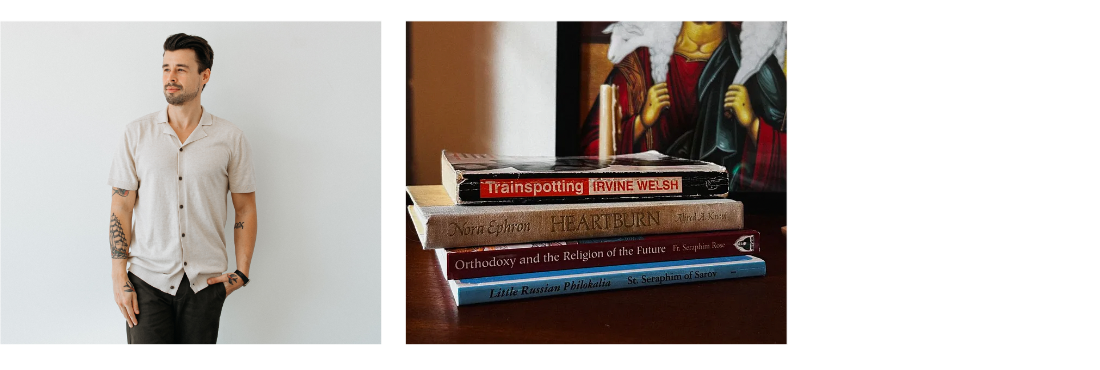
Josh Nadeau is spending time with the saints & a gritty novel or two:
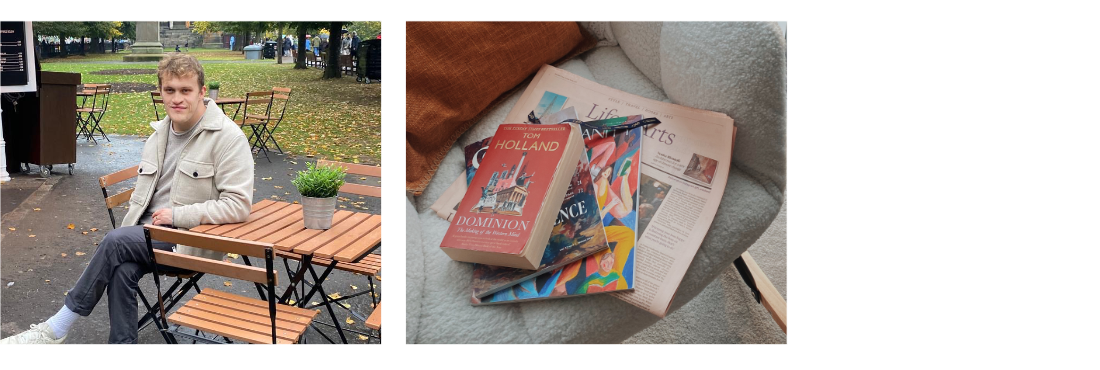
Conor Sweetman is reading up on revolutions & Disney executives:
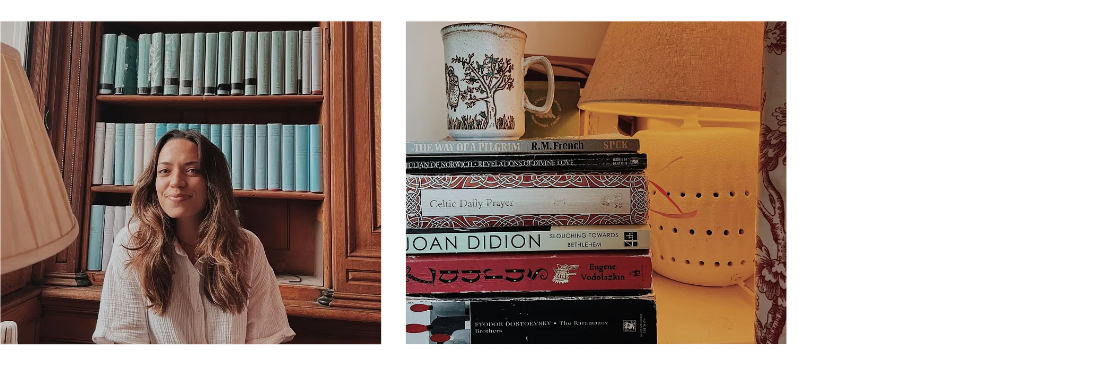
Carolyn Morris-Collier is having a Russian literature fall & winter:
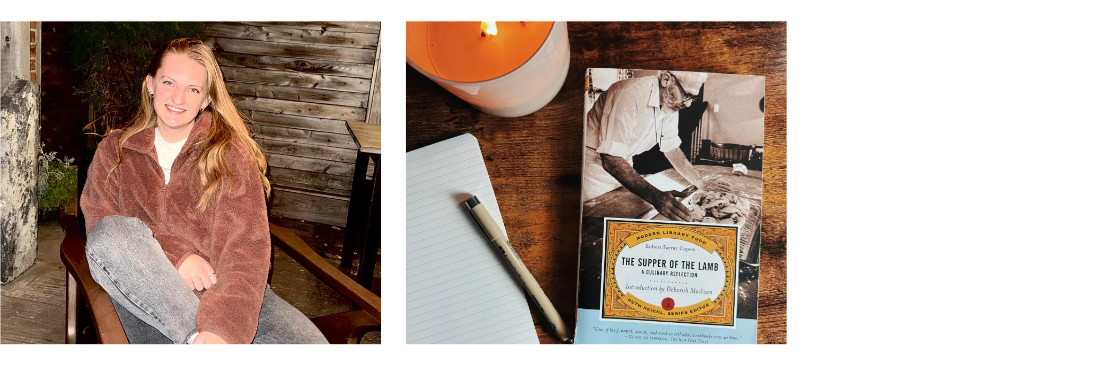
Elizabeth Sanders is reveling in a culinary autumn:

Peter Battle Biles
Fiction Writer & Poet
Peter Biles is the author of four books, most recently the short story collection Last November. His writing has been featured in Plough, The Gospel Coalition, Dappled Things, and several others. He writes a Substack called Battle the Bard.
What did you think of this essay? Share your thoughts with a comment!
Join us at our upcoming Inkwell Evening in Washington D.C. at The Dream Factory this Saturday, September 27. We will gather and feature the work of our 2025 Young Storytellers Fellowship cohort! See you there.
 | A guest post by
|
Great work Peter and fully agree! What's your favourite story that you've written? I'd love to read it.
Feeling deliciously guilty reading this... Time to go (finally) finish The Brothers K